
Trending Wellness
Gut health has become a popular topic in recent years, but it is far more than a wellness trend. Your gut plays a central role in how you feel every day. It affects digestion, energy levels, immune function, hormone balance, skin health, and even mood. When the gut is supported, the body often functions more smoothly as a whole. When it is not, symptoms can appear in many different systems.
Facts
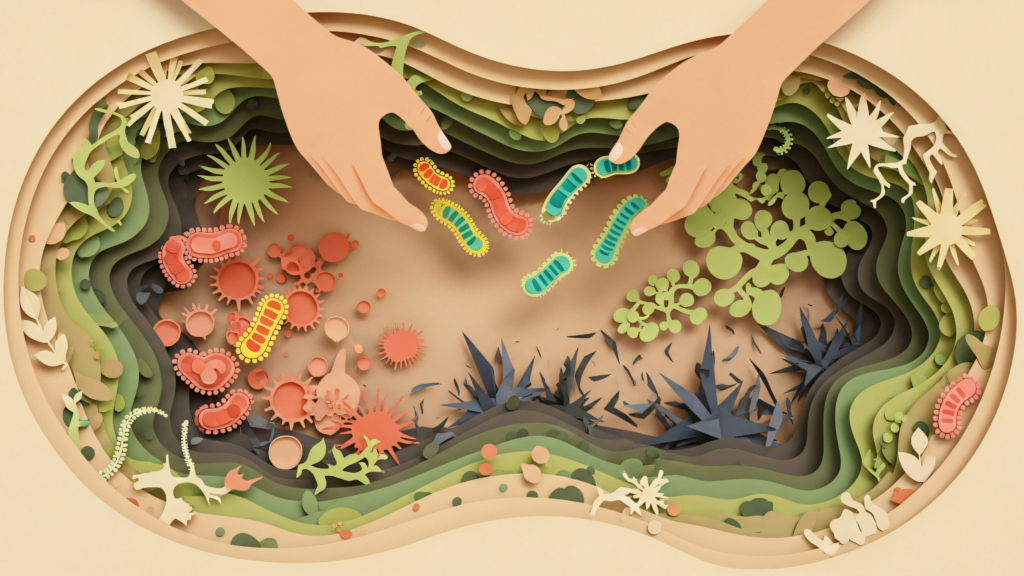
The gut is home to trillions of microorganisms, including bacteria, yeasts, and other microbes. Together, they form the gut microbiome. This ecosystem helps break down food, produce vitamins, regulate inflammation, and communicate with the immune and nervous systems. A healthy microbiome is diverse and balanced, while an unhealthy one may become depleted or overgrown with less helpful species.

Not Just the Gut but the brain
Many people associate gut issues only with bloating, pain, or changes in bowel habits. While these are common signs, poor gut health can also show up as fatigue, frequent infections, brain fog, skin conditions, food reactions, or changes in mood. This happens because the gut is closely connected to the immune system and the brain through what is known as the gut–brain axis
One of the gut’s most important roles is maintaining the intestinal barrier. This barrier acts like a filter, allowing nutrients into the bloodstream while keeping harmful substances out. When this barrier becomes irritated or inflamed, it can become more permeable. This may trigger immune activation and low-grade inflammation, which can contribute to chronic symptoms over time.
modern lifestyle
Modern lifestyles place significant pressure on gut health. Highly processed foods, chronic stress, poor sleep, frequent antibiotic use, environmental toxins, and irregular eating patterns can all disrupt the microbiome. Over time, this can reduce beneficial bacteria and weaken the gut lining, making it harder for the body to regulate itself effectively.
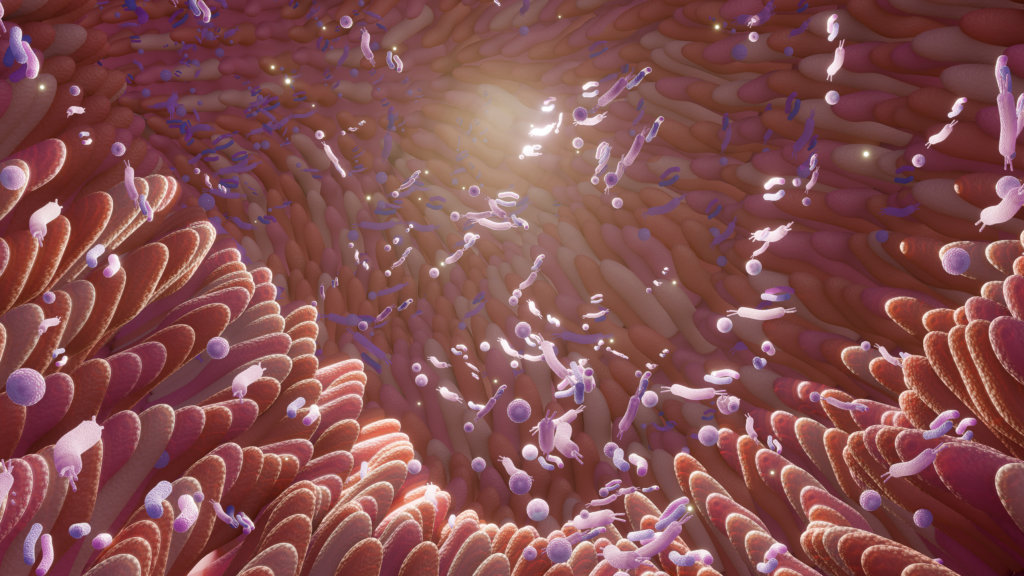
Food plays a powerful role in shaping the gut environment. Whole, fibre-rich foods provide nourishment for beneficial bacteria and support microbial diversity. In contrast, diets high in refined sugars and processed foods can encourage imbalance. However, gut health is not just about what you eat. How you eat, how well you digest, and how your nervous system responds to stress all influence gut function.
Stress
Stress deserves special attention when it comes to gut health. The gut and brain are in constant communication, and stress can directly alter digestion, gut motility, and microbial balance. When the body is stuck in a stress response, digestion often becomes less efficient. Supporting the nervous system can therefore be just as important as dietary changes.
Gut health is not one-size-fits-all. Each person’s microbiome is shaped by genetics, early life factors, environment, diet, and health history. This is why personalised care is often more effective than generic advice. Functional testing can sometimes provide deeper insight into digestion, microbial balance, inflammation, and immune activity within the gut.

Improving gut health is usually a gradual process rather than a quick fix. Small, consistent changes can make a meaningful difference over time. Supporting digestion, reducing irritation, restoring microbial balance, and strengthening the gut barrier all work together to improve overall wellbeing. As the gut becomes more resilient, many people notice improvements in energy, clarity, immunity, and quality of life.
Gut health
Ultimately, gut health is about creating the right internal environment for the body to heal and thrive. When the gut is supported, the body often remembers how to return to balance on its own. Nurturing this foundation can be one of the most powerful steps toward long-term health.